
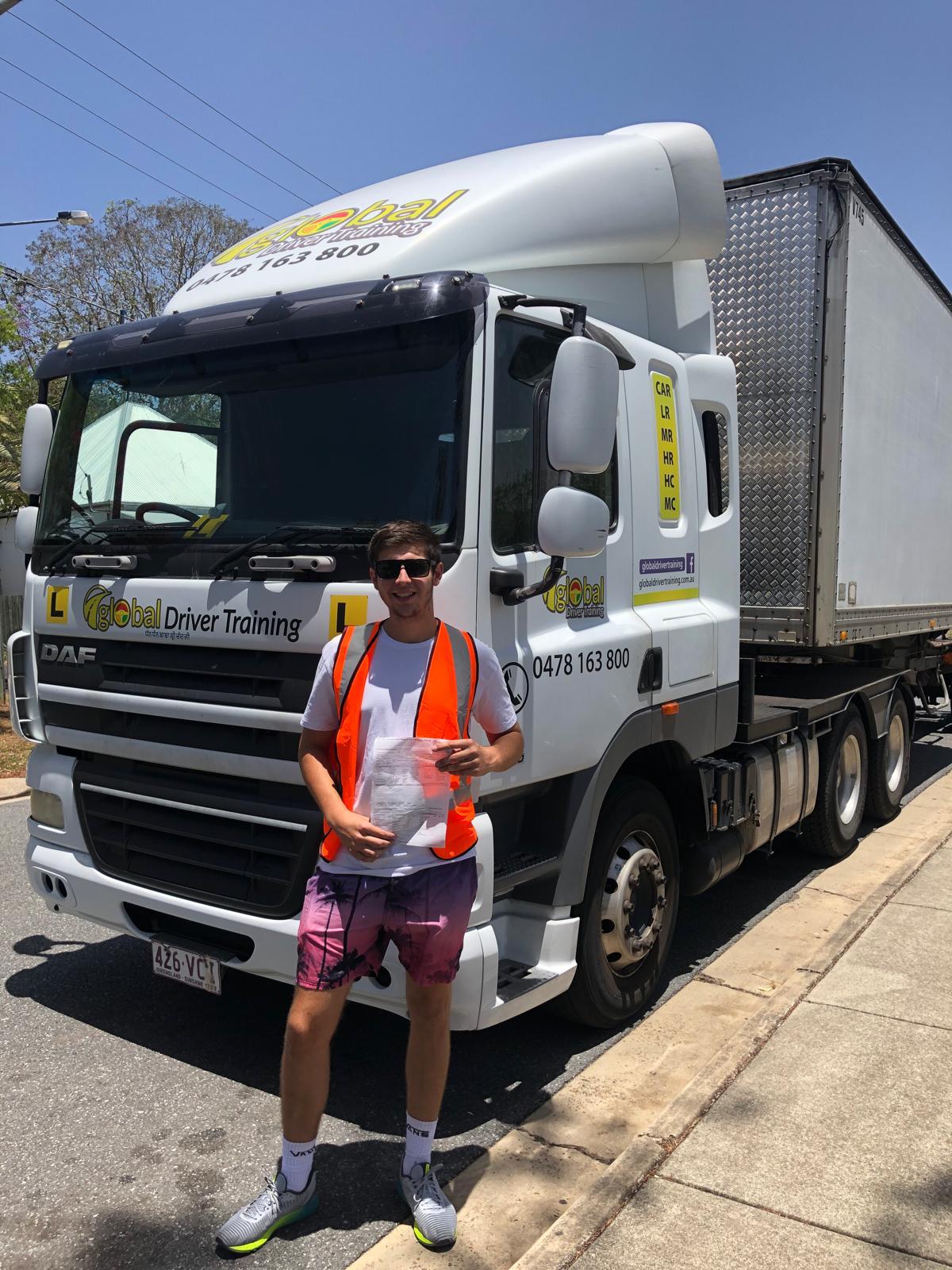
Preparing for an HR licence test in Brisbane? Avoiding a few common mistakes can make your training more effective and help you approach the practical assessment with greater confidence. Heavy rigid vehicles require precise control, careful observation and consistent safe driving habits.
1. Starting Training Without Checking Your Eligibility
Before booking HR licence training, confirm that you meet Queensland’s upgrading requirements for your current licence class. Your previous licence history affects when you can progress to HR. Checking this first can prevent unnecessary delays and ensures you are preparing for the correct licensing pathway.
2. Focusing Only on Passing the Test
Learning a test route is not the same as learning to drive a heavy rigid vehicle safely. Good preparation should build transferable skills such as observation, vehicle positioning, speed management, braking, turning and hazard awareness. These skills matter after the assessment too, particularly when driving in busy Brisbane traffic.
3. Underestimating Vehicle Size and Turning Space
An HR vehicle is significantly larger than a standard car. New heavy-vehicle drivers can misjudge turning space, rear overhang and the position of other road users. Practise wide turns, lane positioning and controlled manoeuvring until they become consistent rather than relying on last-minute corrections.
4. Poor Observation and Mirror Checks
Heavy vehicles have larger blind spots and require deliberate observation. Develop a regular mirror-check routine and make observations early before changing direction, moving lanes or completing manoeuvres. Your instructor can help identify gaps in your observation pattern and correct them before test day.
5. Braking Too Late
A heavier vehicle needs appropriate stopping distance and smooth speed management. Following too closely or leaving braking until the last moment can create unnecessary risk. Practise maintaining a safe following distance and anticipating traffic changes well ahead of the vehicle.
6. Neglecting Reversing and Low-Speed Manoeuvres
Reversing is an area where small steering inputs and careful observation matter. Avoid rushing. Use mirrors correctly, control your speed and stop when you need to reassess the situation. Repeated supervised practice is much more useful than trying to memorise a single sequence.
7. Ignoring Gear and Vehicle-Control Skills
If your HR training involves a vehicle with a manual or other transmission condition, practise smooth gear selection and vehicle control. Avoid unnecessary gear changes and focus on maintaining control while responding to traffic, gradients and changing road conditions.
8. Arriving Unprepared on Test Day
Give yourself enough time to arrive, check your documents and settle before the assessment. Avoid scheduling training or other stressful commitments immediately before the test. Being organised allows you to focus on safe driving rather than avoidable distractions.
How to Prepare for an HR Licence Test in Brisbane
The best preparation combines professional instruction with repeated practical practice. Ask your trainer to identify the skills that need the most improvement and practise those areas deliberately. If you are training in Brisbane, becoming comfortable with urban traffic, intersections, lane changes, turns and heavy-vehicle positioning can help you develop better real-world driving habits.
Frequently Asked Questions
What is the biggest mistake during HR licence training?
One common mistake is focusing on memorising the test instead of developing consistent observation, vehicle control and safe decision-making skills.
How can I improve before my HR practical test?
Practise the areas your instructor identifies as weaknesses, especially observation, turns, positioning, braking, reversing and overall vehicle control. Consistent supervised practice is more valuable than rushing through a large number of sessions.
Should I learn the test route?
Understanding the assessment environment can be useful, but your preparation should focus on safe heavy-vehicle driving skills rather than memorising a route. Road conditions and instructions can vary, so you need to be able to respond safely in different situations.